
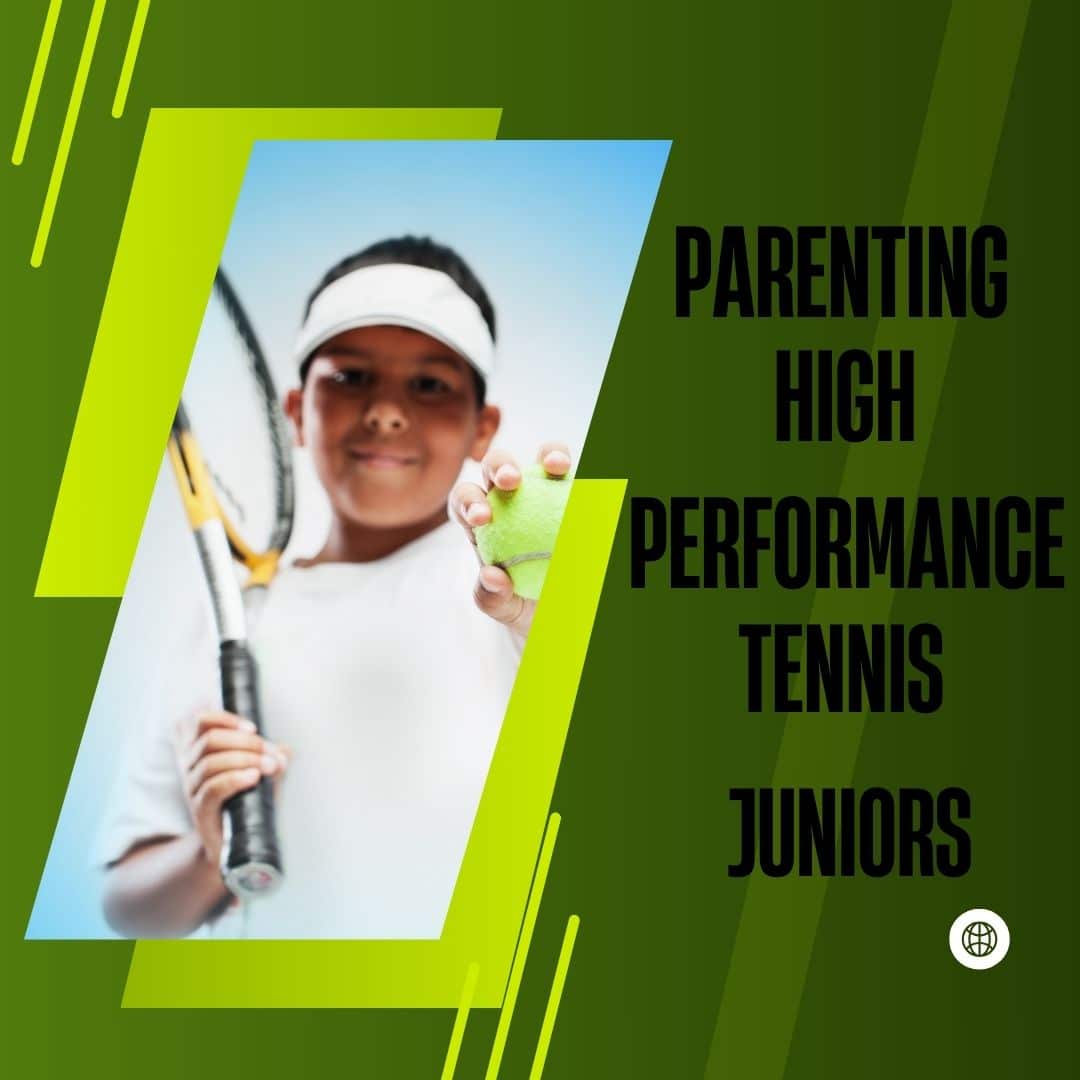
Parenting a high-performance tennis junior is a journey filled with unique opportunities and distinct challenges. For many families, tennis becomes more than just a sport; it transforms into a lifestyle that encompasses traveling, training, and immersing oneself in the world of competitive athletics. However, navigating this world requires a balance between fostering ambition, nurturing a love for the game, supporting overall development, and maintaining family harmony. Here’s a guide to help parents successfully support their rising tennis stars while ensuring a healthy and happy family dynamic.
Understanding Your Child’s Passion
The most successful tennis juniors are often those who have a genuine love for the game. As parents, it is essential to encourage your child’s passion for tennis rather than pushing them too hard. Watch for signs of enthusiasm, such as asking to hit balls after school, practicing without being told, or showing eagerness to watch professional matches. Engage with them about their favorite players, tournaments, and techniques. By nurturing their interest, you lay the groundwork for a more fulfilling and enjoyable journey.
Prioritizing Physical and Mental Health
High-performance tennis demands rigorous physical training, but younger athletes often overlook the importance of mental health and wellness. Parents should prioritize a balanced routine that includes:
- Physical Endurance: Regular fitness training focused on agility, strength, and flexibility is crucial. Make sure they are not only focusing on tennis-specific skills but also overall fitness.
- Mental Resilience: Competitive sports can be mentally taxing. Encourage your child to practice mindfulness, visualization techniques, and stress management exercises. Consider working with a sports psychologist who can teach coping strategies, help establish a positive mindset, and improve focus.
- Rest and Recovery: Recovery is just as important as training. Ensure your child gets adequate sleep, participates in recovery activities, and enjoys downtime to recharge physically and mentally.
Finding the Right Coaching Environment
Choosing the right coach can significantly impact your child’s tennis journey. Look for coaches who prioritize long-term player development over short-term success. A good coach should:
- Value Communication: The coach should not only emphasize tennis skills but also foster open communication with you and your child.
- Focus on Individuality: Every player learns differently. A great coach will tailor their approach to fit your child’s unique strengths and weaknesses.
- Promote a Positive Environment: Seek out coaches who promote teamwork, respect, camaraderie, and a love for the game. The right environment will motivate and inspire your child.
Encouraging Healthy Competition
While competition is an integral part of sports, it’s important to foster a healthy competitive spirit. Encourage your child to see matches as opportunities for growth, learning, and fun rather than solely focusing on winning or losing. Here are a few tips:
- Praise Effort, Not Just Outcomes: Emphasize progress, hard work, and improvement over trophies. Celebrate the effort and enjoyment they put into their game.
- Set Realistic Expectations: Understand that every athlete has ups and downs and that setbacks are a natural part of the learning process. Encourage your child to strive for personal goals rather than just external comparisons.
- Practice Sportsmanship: Teach your child the values of respect and sportsmanship; emphasize that how they handle victory and defeat is just as important as their performance on the court.
Maintaining Balance and Family Harmony
Balancing tennis commitments with family life can be challenging. Here’s how to strike the right balance:
- Family Time: Prioritize family activities beyond tennis. Family dinners, outings, and vacations should not be overlooked. This time increases connection and strengthens relationships.
- Inclusive Decisions: Involve your child in decisions about their training and competitive schedules. Allowing them to have a voice promotes autonomy, ensuring they feel empowered in their journey.
- Avoid Overloading: Too much pressure, whether academically or athletically, can lead to burnout. Monitor your child’s overall workload and be sensitive to their emotional and physical capacity.
Parenting a high-performance tennis junior requires a harmonious blend of support, understanding, and careful direction. By emphasizing your child’s passion, ensuring their well-being, and fostering a love for the game, you can create a fulfilling journey through the world of competitive tennis. Remember, the ultimate goal is to help them not only excel in tennis but also grow as balanced individuals who are ready to tackle life’s challenges beyond the court. After all, the true victory lies in enjoying the game together.