
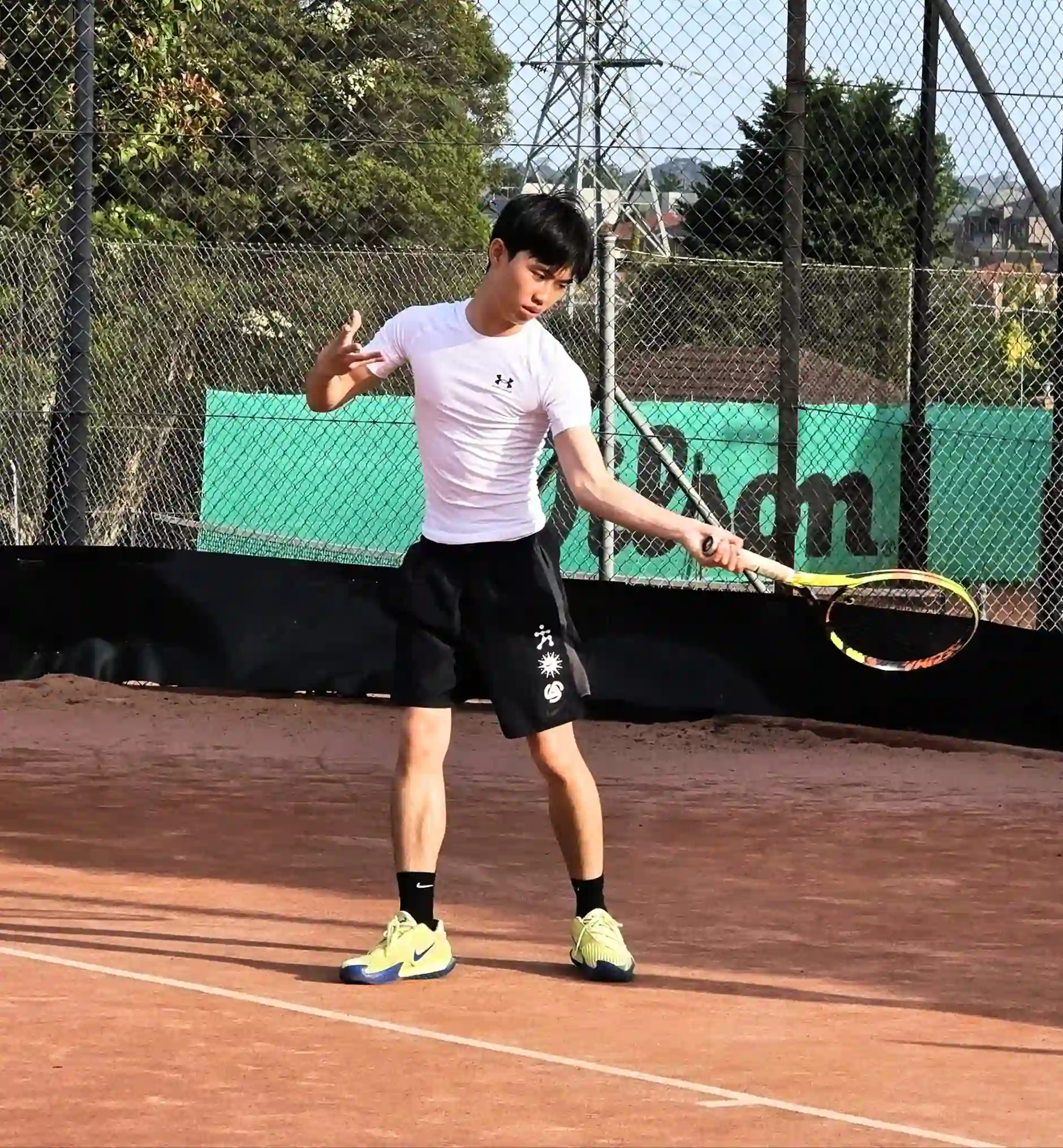
Tennis has always been a strange little mirror of life — unpredictable, humbling, and somehow still the place where we find our fire. You learn early on that the court doesn’t care about your excuses, but it rewards your effort every single time. That’s why, in this sport, chasing perfection is a trap; chasing effort is the path.
I’ve seen it firsthand. Not every player starts with the perfect athletic build, the perfect upbringing, or the perfect eyesight. Some kids walk onto court with an eye patch, a shaky serve, and a coach who believes in them more than they believe in themselves. And somehow — through grit, stubborn spirit, and a whole lot of repetition — that kid can grow into a WTA-ranked player. That’s the magic of effort. It’s not glamorous. It’s not trendy. But it transforms people.
Perfection? It freezes you.
Effort? It frees you.
And when players understand that, the entire way they approach the game shifts. They stop fearing mistakes and start embracing the grind. They realise that consistency, discipline, and a willingness to try again — even after yesterday fell apart — is what actually moves them forward. That’s the mindset we want to build.
Confidence on Court: How to Build It, Keep It, and Rebuild It After a Slump
Confidence isn’t a permanent tattoo; it’s chalk on the baseline — you draw it in again and again. Every player has days when the ball feels like a stranger, when the timing is off, and the doubt creeps in like fog. Confidence dips, even for the strongest competitors.
But here’s the good news: confidence is trainable.
You build it through small, repeatable wins — making 20 serves in a row, staying calm in a long rally, turning a bad start into a better finish. You keep it by trusting your routines and reminding yourself of what you’ve already survived. And when you lose it? You rebuild it the same way you built it the first time: slowly, honestly, and with patience.
A slump isn’t a failure; it’s an invitation.
It’s the game saying, “Show me how much you really want this.”
Coaches can guide players through the fog, but the real shift happens when the player decides to stay in the fight. That’s where confidence grows — right in the middle of the mess, not once it’s over.
The Psychology of the Junior Match: What Parents Should (and Shouldn’t) Do Courtside
Junior tennis… whew. It’s a beautiful chaos. You’ve got nerves, pride, sugar highs, competitive energy, and the parents — the passionate audience who sometimes forget they’re not the ones holding the racquet.
Parents play a massive role, whether they mean to or not. Their courtside energy becomes their child’s inner voice. Kids don’t need tactical advice shouted over the fence; they need calm, steady support. They need to know they’re loved at 6–0 or 0–6.
What helps:
- Staying positive and relaxed
- Clapping for effort, not just results
- Letting the coach handle strategy
- Keeping emotional reactions neutral, even during tight moments
What doesn’t help:
- Body language that screams disappointment
- Side coaching (it stresses kids more than it helps)
- Comparing them to other players
- Living and dying with every point
At the end of the day, junior tennis is about building resilient humans, not just competitive athletes. When parents stay grounded, kids stay joyful. And joy, not pressure, is what keeps them in the sport long term.